Dropped your phone in water? Do not reach for the rice. In 2026, tech giants like Apple and Samsung, along with repair experts at iFixit, have officially confirmed that the “rice myth” is not only ineffective but potentially harmful. Starch and dust from rice can wedge into your charging ports and speakers, creating a “paste” that traps moisture and accelerates internal corrosion.
Follow this emergency blueprint to maximize your chances of saving your device and its data.

🚨 Phase 1: The Critical First 60 Seconds
Acting fast can mean the difference between a simple dry-out and a fried motherboard.
- Power Off Immediately: Do not “check if it still works.” If it’s on, turn it off. If it’s off, leave it off. Electricity + water = an instant short circuit.
- Remove All Attachments: Take off your case, screen protector, and—most importantly—the SIM card tray. Removing the tray creates a much-needed vent for air to circulate inside the chassis.
- Gravity Drain: Hold the phone with the charging port facing down and tap it gently against your palm to dislodge trapped liquid.
- Surface Dry: Use a lint-free microfiber cloth to dab away visible water. Do not use paper towels, as they leave behind fibers that can hold moisture.
🛠️ Phase 2: The 48-Hour Drying Protocol
Internal moisture takes much longer to evaporate than surface water. Rushing to turn the phone back on is the #1 cause of permanent failure.
- Use Silica Gel (The “Real” Fix): Place your phone in a sealed container with several silica gel packets (the “Do Not Eat” packets found in new shoes or beef jerky). They are roughly 4x more effective at pulling moisture from the air than rice and leave no residue.
- Airflow Over Heat: If you don’t have silica, place the phone in an upright position in a well-ventilated area. Manufacturers like Apple Support suggest pointing a fan at the charging port to help the process.
- Avoid the “Heat Trap”: Never use a hairdryer, microwave, or radiator. Excessive heat can melt the adhesive seals that provide your phone’s water resistance and warp delicate internal components.
- Isopropyl Alcohol (Advanced): If you dropped your phone in saltwater or soda, many experts recommend a quick rinse in clean tap water (to remove corrosive minerals) followed by dabbing the ports with 99% isopropyl alcohol to displace water and prevent rust.
🔍 Phase 3: Assessing the Damage
Once dry, check for these warning signs before resuming normal use:
- Liquid Contact Indicator (LCI): Look inside the SIM tray slot with a flashlight. Most phones have a small sticker that turns pink or red if water has reached the internals.
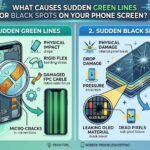
- Screen Anomalies: Look for flickering, dark spots, or “ghost touching” (the screen clicking things on its own).
- The “Slow Kill”: Water damage is progressive. Corrosion can take days or weeks to spread. Even if the phone turns on, back up your data immediately before a delayed short circuit occurs.

🔗 Essential 2026 Repair Resources
- iFixit: Why Rice is a Myth & Real Repair Solutions: The definitive technical breakdown on why rice fails and how to properly clean a motherboard.
- Samsung Care: How to Dry a Galaxy Device: Official manufacturer instructions on handling moisture-detection alerts and drying ports safely.
- Reviveaphone: 24-Hour Water Damage Kits: A popular 2026 solution involving a chemical wash that removes mineral deposits left by water.
- CNet Tech: Apple and Samsung’s Warning on Rice: A 2026 recap of why major brands have officially updated their manuals to ban the use of rice.
- BreakFixNow: The ‘Golden Window’ for Professional Repair: Why you have roughly 24–48 hours to get a professional “Chemical Wash” before corrosion becomes permanent.
Also Read : How to Properly Clean and Maintain Your USB-C Port