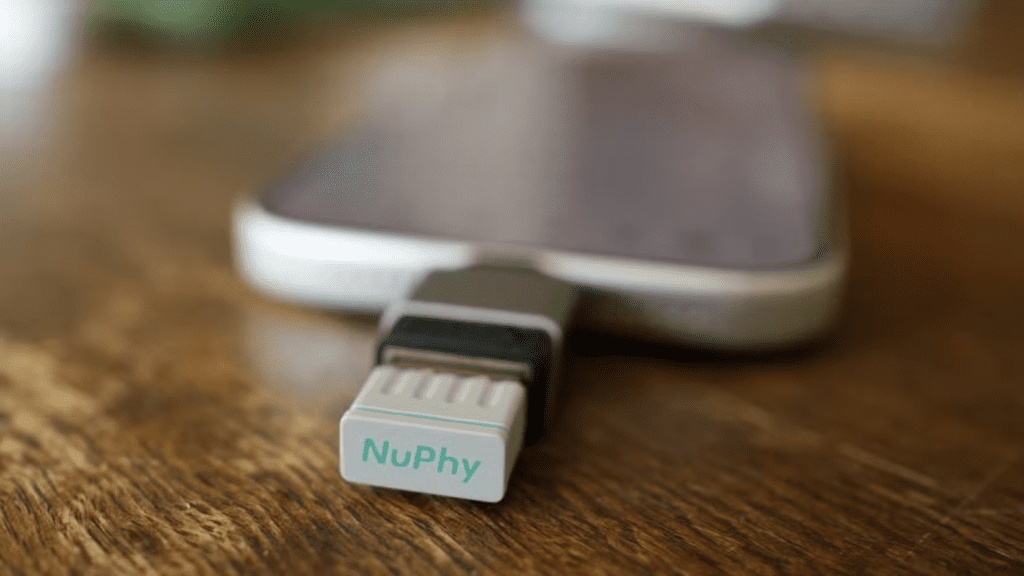
Magnetic USB-C cables—the kind that use a small magnetic dongle left permanently inside your device’s charging port—sound like the ultimate convenience hack. They promise ultra-fast wired charging without the risk of tripping over a cord and sending your expensive laptop or smartphone crashing to the floor.
However, there is a very good reason no major tech company has ever released an official magnetic USB-C cable. The small amount of time you save by snapping a cable into place is absolutely not worth the catastrophic risk these third-party accessories carry.
Here is exactly why these snappy cables can permanently ruin your devices, and what you should use instead.
The Hidden Dangers of Magnetic USB-C Dongles
To be clear, we are not talking about official proprietary standards designed safely from the ground up, like Apple’s MagSafe or Microsoft’s Surface Connect. We are talking about third-party magnetic adapters sold on platforms like Amazon or Kickstarter that plug into standard USB-C ports.
These accessories carry several inherent, fatal flaws:
1. Instant Short Circuits
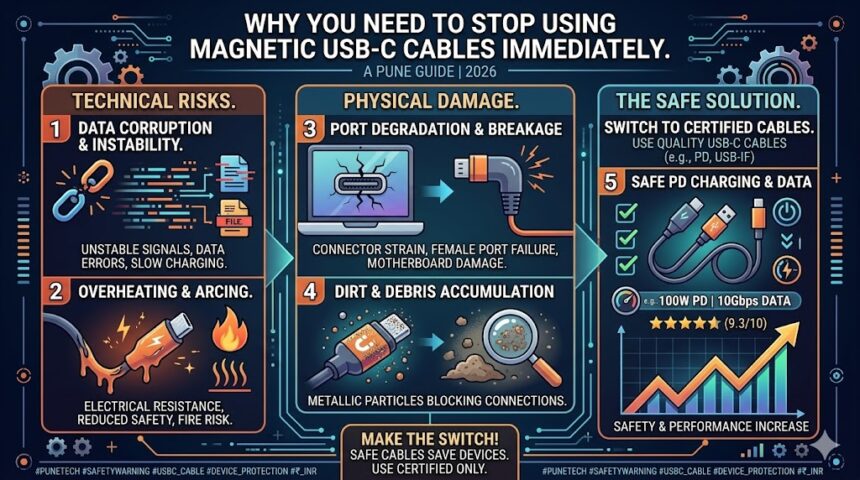
Standard USB-C cables use a specific pin layout designed to establish a safe connection before transferring power. Magnetic adapters have multiple exposed pins carrying power, ground, and data. If you pull the magnetic cable away at a slight angle, the wrong pins can bridge for a fraction of a second. This creates a massive voltage spike that bypasses the device’s safety regulations, instantly frying the motherboard.
2. Static Electricity Damage
Normal USB-C ports feature a metal shroud that shields the delicate internal pins from static shock. The protruding magnetic dongle leaves these pins completely exposed to the outside world. Something as simple as picking up your phone after walking across a carpet can send a surge of static electricity straight through the dongle, permanently damaging the port.
3. Magnetic Debris and Fire Hazards
Strong magnets naturally attract metallic debris. If you keep your phone in your pocket or bag, the magnetic dongle can pick up tiny metal shavings, staples, or needles. When the cable connects, this debris can bridge the pins, creating a short circuit or even a fire hazard. Retailers in Europe have previously issued total recalls on these cables for this exact reason.
4. Physical Port Damage
A major selling point of these cables is that the dongle is “slim,” but having any rigid object permanently plugged into your USB-C port is a major physical vulnerability. The dongle acts as a lever. If you drop the phone or bump the dongle at the wrong angle, the physical pressure will slowly bend the tiny pins inside your phone’s port, eventually causing them to fail entirely.
5. Data Corruption
Magnetic connections are notoriously unreliable. If you are using the cable to transfer files and the magnet gets slightly bumped or affected by electrical noise, the connection drops immediately. This sudden interruption can easily corrupt your data or ruin a hard drive.
The Safer Alternative
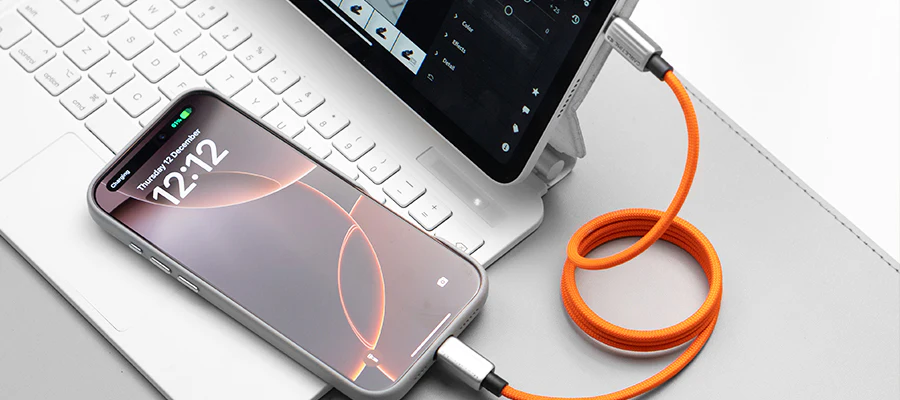
If you want the convenience of magnetic charging without playing Russian Roulette with your hardware, stick to wireless options.
Grabbing a certified Qi2 magnetic wireless charger or a power bank that attaches to a MagSafe case gives you all the convenience with none of the electrical danger. For laptops and devices that require high-speed data or power delivery, you should always continue using standard, certified USB-C cables. The minor convenience of a magnetic snap simply does not outweigh the cost of replacing a fried device.
Also Read : Best Practices for Cleaning and Maintaining Your USB-C Port