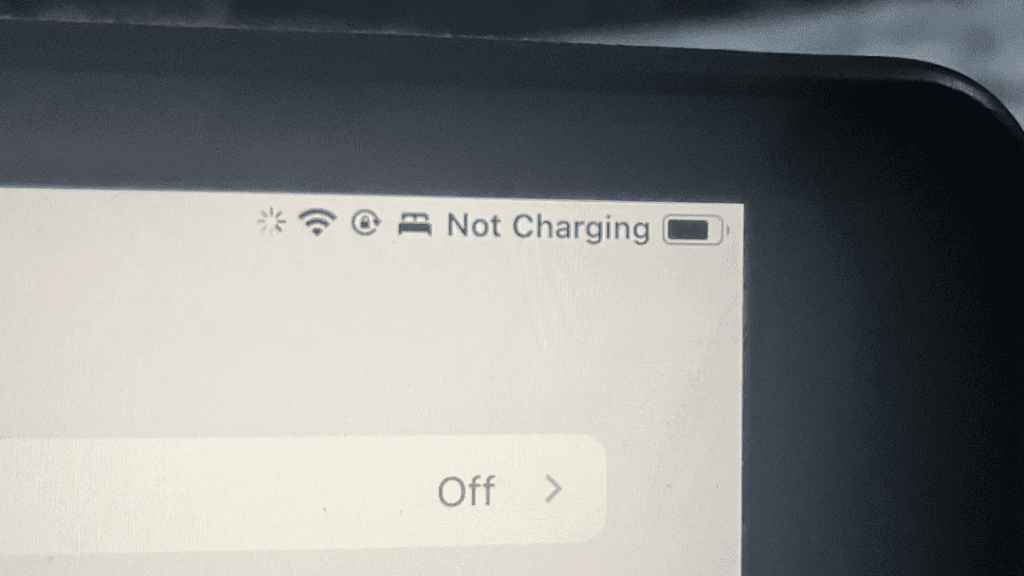
Apple updates usually bring exciting features and security enhancements. However, these updates sometimes introduce highly frustrating software glitches. Consequently, your iPad might suddenly refuse to charge. It might charge slowly or disconnect repeatedly. You certainly are not alone in this frustrating experience.
This guide explores the most common reasons behind these charging problems. Furthermore, we will show you exactly how to fix them today.
Why Do iPads Stop Charging After Updates?
iOS updates interact heavily with both software and hardware components. This complex interaction causes several potential power issues.
Software and Driver Glitches
First, new updates often contain hidden software bugs. These bugs easily disrupt your normal power management systems. Next, the update might misconfigure vital internal drivers. These drivers actively control the electricity flowing from your charging port.
Battery and Accessory Issues
Meanwhile, Apple frequently tweaks charging speeds to prevent overheating. These sudden changes occasionally cause unexpected charging slowdowns. Furthermore, uncertified third-party chargers frequently stop working after major updates. Apple strictly requires certified power accessories for optimal performance.
How to Fix Your iPad Charging Issues
Before you panic, try these simple troubleshooting steps immediately.
Restart and Inspect
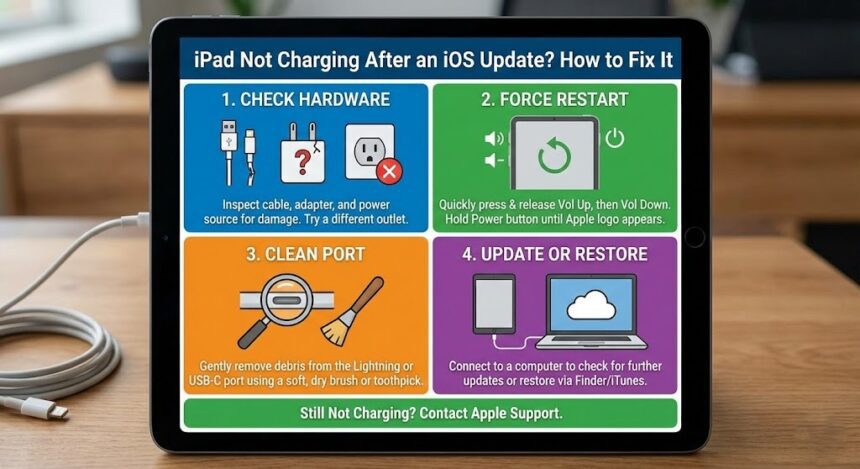
- Force Restart Your iPad: This basic step solves many temporary software glitches. First, press and hold the specific power buttons. Then, swipe the screen to power off the device. Finally, turn it back on.
- Inspect Your Accessories: Make sure your charger functions properly. Always use an Apple-certified Lightning or USB-C cable. Alternatively, try plugging the adapter into a completely different wall outlet.
Clean and Update
- Clean the Charging Port: Dust and pocket lint easily block the electrical connection. First, shine a flashlight inside the port to inspect it. Gently remove any debris using a wooden toothpick. Never use sharp metallic tools.
- Install Follow-Up Updates: Apple often releases quick patches to fix initial update bugs. Go to your settings menu and install any pending updates.
Reset and Recalibrate
- Reset All Settings: This process resets system preferences without erasing your personal data. Navigate to your transfer and reset menu to perform this action.
- Recalibrate the Battery: Drain your iPad until it shuts down completely. Next, charge it uninterrupted to a full hundred percent. Leave it plugged in for another thirty minutes afterward.
When to Seek Professional Repair
Did those DIY steps fail to solve your problem? Your iPad likely has a much deeper hardware issue. Specifically, you might have a faulty integrated circuit or a damaged battery. Additionally, a loose charging port prevents proper power delivery.
You should never attempt dangerous internal motherboard repairs yourself. Instead, you must consult a trained professional technician immediately.
If you live in South Australia, you have great local options. SAM Phone Repair offers expert diagnostics for all iPad models. Their Adelaide team provides fast, affordable, and high-quality hardware repairs. Specifically, they identify the exact issue and offer same-day solutions.
Final Tips to Avoid Future Issues
After fixing the problem, take these simple precautions. First, avoid beta updates unless you are a software developer. Always use certified accessories to reduce incompatibility risks. Furthermore, avoid installing major updates right on release day. Finally, keep your charging port completely free of moisture or debris.
Also Read : How to Repair a USB Flash Drive