
Apple may be preparing to take a bold new design step with next year’s iPhone 18 Pro series. According to new leaks, the upcoming Pro models could feature a hole-punch selfie camera and a hidden Face ID system — effectively eliminating the now-familiar Dynamic Island.
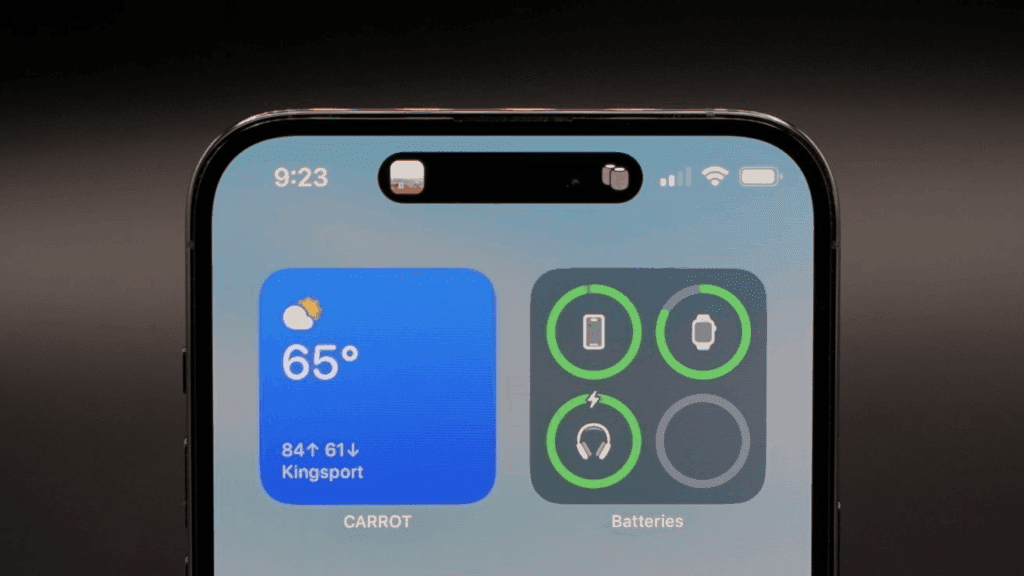
First introduced with the iPhone 14 Pro, Dynamic Island marked Apple’s move away from the bulky notch to a more elegant pill-shaped cutout, blending hardware and software into one fluid experience. Initially limited to the Pro models, it later made its way to the standard iPhone 15 lineup. But as slick as the feature appeared on paper, it received mixed feedback and still took up noticeable screen space.
Now, if recent rumors are accurate, Apple is preparing to fully streamline the display on its 2026 Pro models. Shared via a Weibo post by tipster Digital Chat Station, the leak claims the iPhone 18 Pro will feature a 6.27-inch display, while the larger Pro Max will sport a 6.86-inch OLED screen. Both panels are expected to use LTPO technology and offer a 1.5K resolution.
The real surprise, however, lies in Apple’s approach to its front-facing camera system. Apple is said to be using HIAA (Hole-in-Active-Area) technology for the selfie camera, allowing the Face ID components — including the flood illuminators and infrared cameras — to sit beneath the display. This would make the camera system nearly invisible when not in use, leaving only a small punch-hole visible on the screen.
This marks a major shift from Apple’s current implementation, which combines two physical cutouts for the selfie and Face ID cameras and masks them with Dynamic Island’s animated capsule. The black software bubble not only hides the hardware but also doubles as a UI element for alerts and Live Activities.
If Apple fully moves to an under-display Face ID system, Dynamic Island might no longer be necessary. The display could appear cleaner and more immersive, especially on the Pro models, which would gain a more premium aesthetic. It’s still unclear whether Apple will retain some sort of software animation for continuity or scrap the capsule entirely.
Whatever Apple decides, the change could finally bring its iPhones closer to the all-screen future it has long been working toward — and possibly close the chapter on one of its more divisive design experiments.
Also Read : PS5 Cooling System Maintenance: A Step-by-Step Disassembly and Cleaning Guide